
 Total:
 Questionmark Cornering
So if you have ever watched a coaching video on how to corner I can guarantee you will already be familiar with the following tips;
• enter wide
• lean the bike
• don't brake!
• look round the turn
While all of these ideas have value, how come it hasn't worked yet?
In the MTB Skills™ Method, we do not propose that you should ever "try to lean the bike", twist your hips towards the corner or raise your elbow etc, these are symptoms of the root problem and will all happen naturally when the corner is initiated correctly.
The root issue we have found time after time is the lack of a counter-steer which tips the bike (and you) into the lean naturally and effortlessly.
Why Counter-Steering Is Essential to Turning a Bike
When you enter wide in a corner, the only way you can turn the bike is by turning the handlebars in the same direction as the corner, which seems logical.
YES?
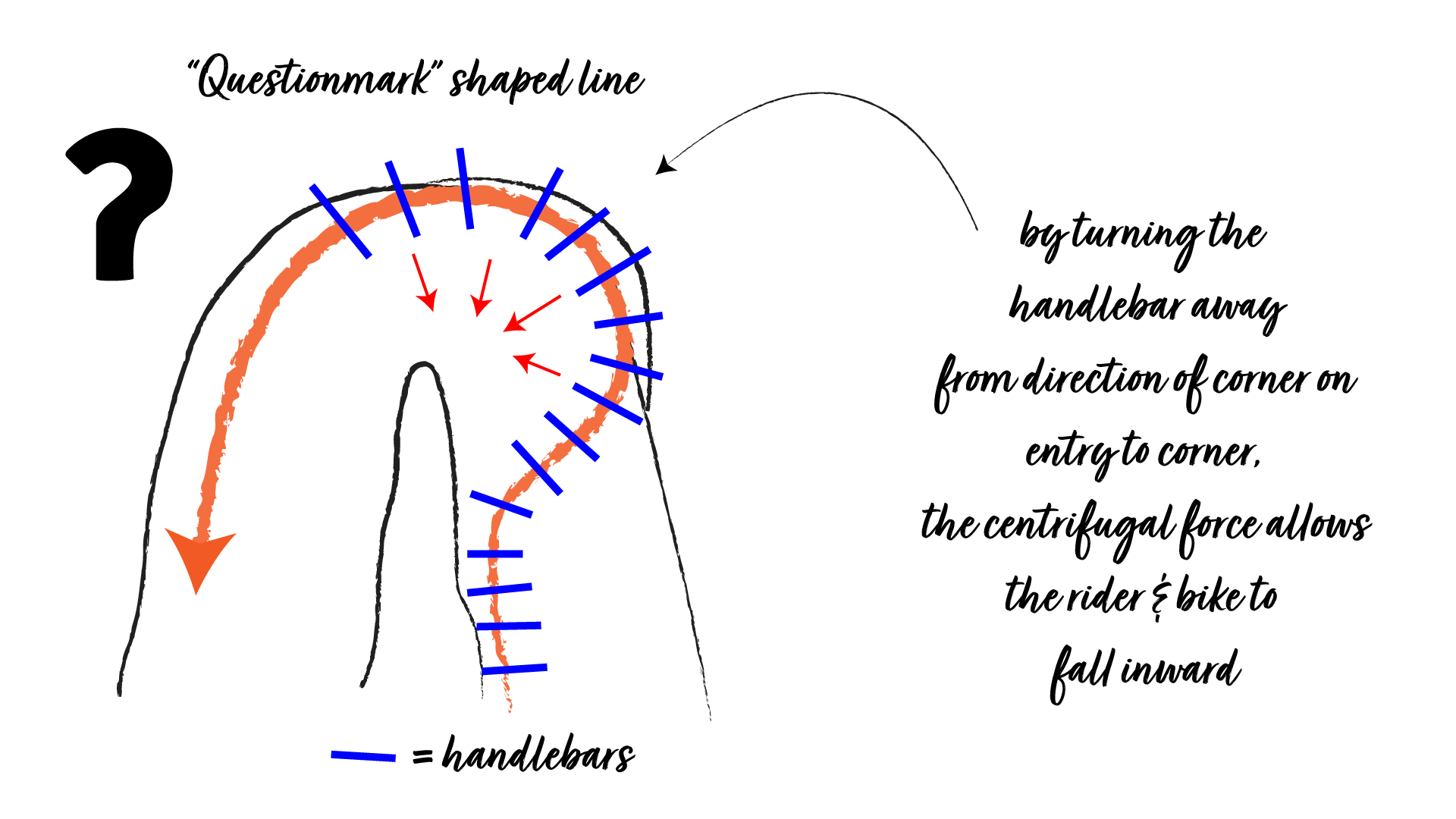
But, unfortunately, this manoeuvre doesn't turn the bike in the direction you want it to go at all, it actually tries to stand the bike upright and turn it in the opposite direction. This is because to turn a bicycle, you need to do a small countersteer with the handlebars before the turn which is what drops the bike into its lean.
Lets look at some of the forces acting on us to learn a bit more about what is happening in a corner.
When you ride in a straight line, everything is pretty simple. Gravity is pulling you down into the ground, velocity is keeping you from tipping over and all is simple unless you put the brakes on and you experience brake force pushing you forward. We now know we need to brace against brake force to stay stable and centered.
Now we need to do a corner.
In a corner two new forces are added to our scenario -
• Gyroscopic force which is the resistance of the spinning wheels to having their axis of rotation changed. If you've ever held a spinning wheel you'll know that if you tilt it to the left it pulls to the right and vice versa. When you initiate a turn via countersteering (momentarily pushing the handlebars left to lean right), gyroscopic precession causes the wheel to tilt, making the bike lean naturally into the direction of the corner. We need to harness this force so that the wheel pulls us in the direction of the corner with the gyroscopic force.
• Centrifugal force which is the "outward" feeling of being pulled away from the center of the curve due to your forward inertia. As you make the turn, the velocity and centrifugal forces must match the gyroscopic force pulling you downwards, and these pulling you outward to stop you from falling over.
So now you have FOUR forces acting on you at once:
• gravity pulling you straight down
• velocity moving you forward
• gyroscopic force tipping you inward to the turn
• centrifugal force pulling you outward from the turn
To stay balanced, those forces need to line up on your contact patches with the ground (your tyres), and the only way that can happen is if you lean into the corner. That lean allows the forces to combine and drive into the ground.
The key point here though is that the bike won’t lean just because you force it to by tipping it over—you have to CREATE that lean.
This is where counter-steering comes in.
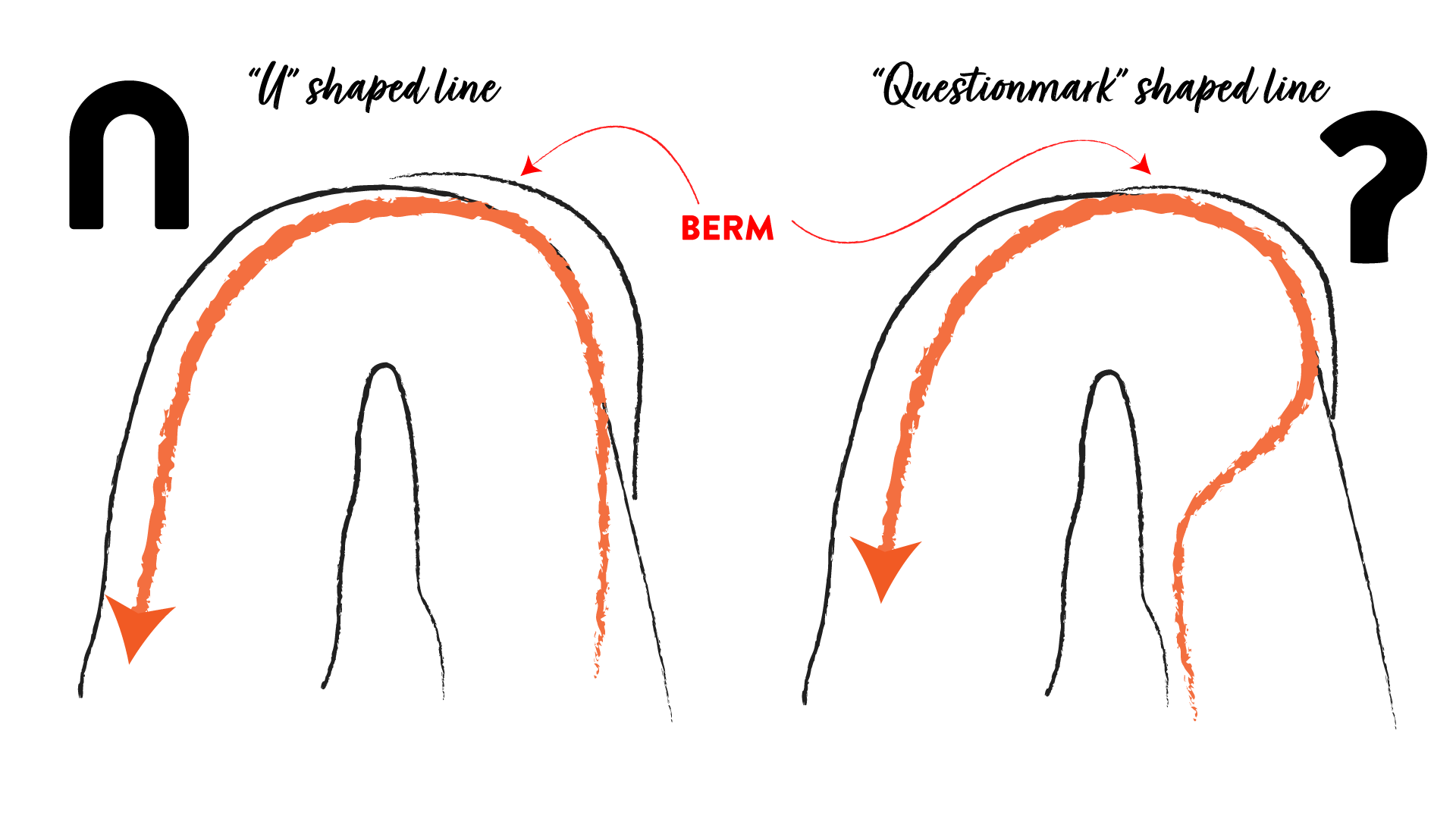
By briefly turning the handlebars in the opposite direction to the corner before the corner, you move the tyres out from underneath your body. For a moment, your mass is no longer directly supported, and gravity causes you to fall inward. That’s what tips the bike into a lean. Once you are leaning, everything begins to work together instead of against you. Your weight is now falling into the turn rather than being pushed outward, the bike naturally follows its curved path, and the tyres are loaded into the ground at the correct angle to create grip.
You’re no longer forcing the bike to turn—the bike is now doing what it was designed to do.
Why “Just Leaning the Bike” Often Doesn’t Work
This is where a lot of riders get stuck.
You might have been told to “lean the bike” into the corner. While that’s not wrong in itself, it often doesn’t work if the lean hasn’t been created properly.
If you try to lean the bike without counter-steering first, your mass is still travelling forward and outward. The bike hasn’t been set into its natural lean—it’s being forced into one. So instead of your weight falling "inward" into the turn, it continues to push "outward":
• The front tyre doesn’t get the pressure it needs
• The bike feels disconnected
• Grip is reduced at the exact moment you need it
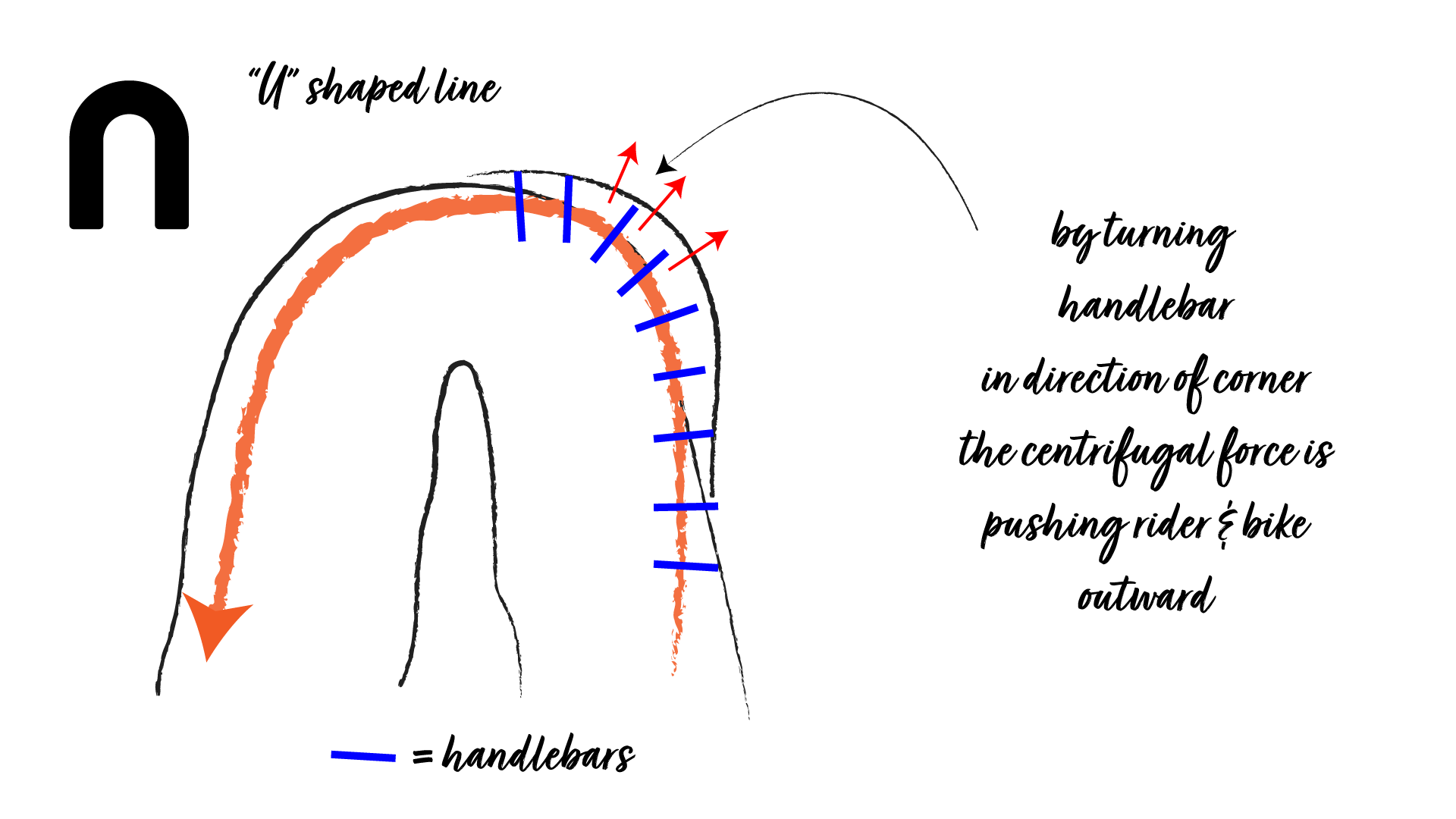
This is why riders often experience front-wheel washout when they try to “just lean the bike.”
The key shift is this:
Counter-steering creates the lean.
Leaning is the result—not the cause.
For beginners the bike begins to turn with much less effort. You stop feeling like you’re fighting the bike, and you start to trust the front wheel.
For more experienced riders, it unlocks performance. You can brake harder before the turn, commit earlier, carry more speed, and generate more grip. The bike becomes something you can load, release, and move with—not something you’re reacting to.
At any level, this is what allows the bike to do what it was designed to do.
